
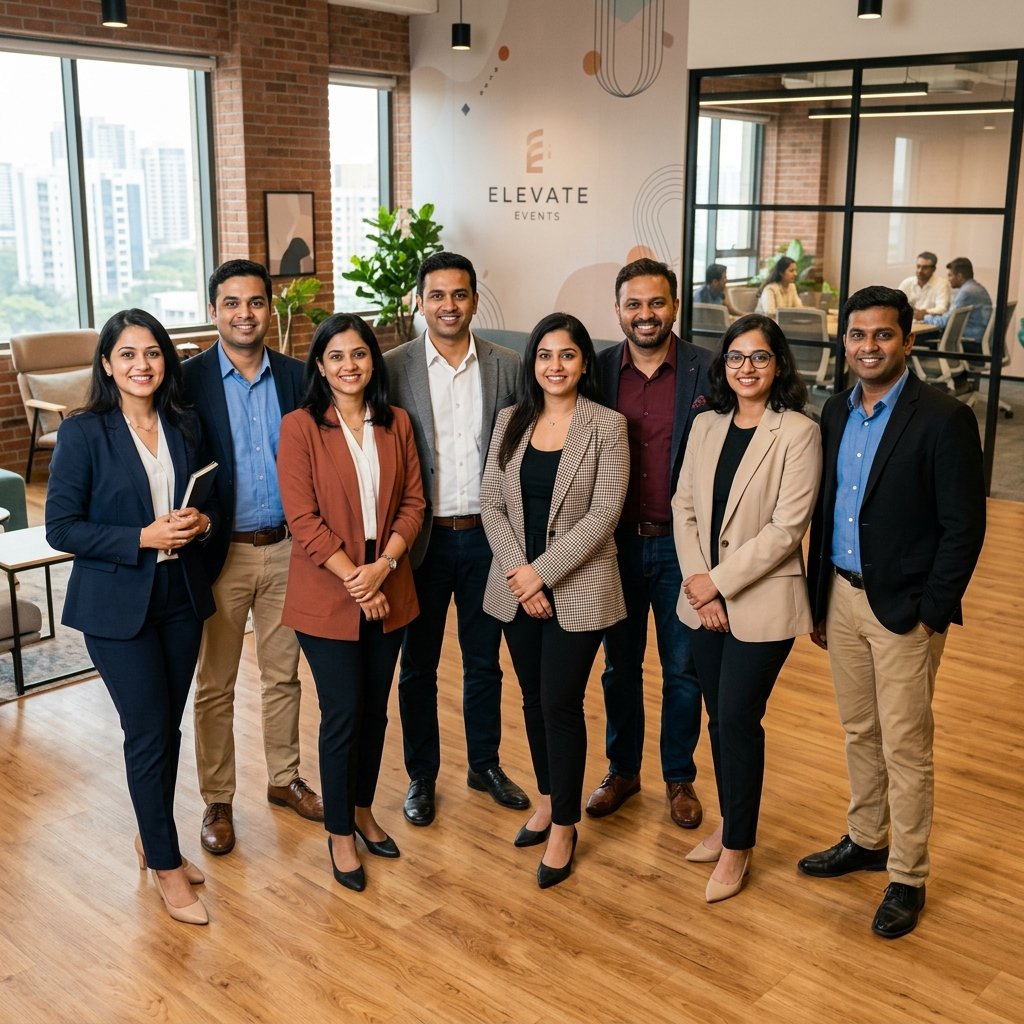
In today's fast-paced corporate environment, teams are often separated by divisions, departments, and remote work arrangements. This isolation can lead to communication silos, low engagement, and reduced collaboration. Organizing regular team building events is not just a nice perk; it is a critical business strategy that strengthens connections, aligns goals, and fuels productivity.
1. Building Authentic Trust and Connection
Employees work better together when they know each other as individuals, not just email addresses. Out-of-office team building activities allow coworkers to let their guard down, share laughs, discover common hobbies, and build mutual respect that translates directly to workplace trust.
"Team building is an investment in your company's most valuable asset: its people. Stronger connections fuel stronger business results."
2. Improving Cross-Departmental Communication
Many workplace projects stall due to communication silos between departments. Fun group challenges — like escape rooms, scavenger hunts, or CSR build activities — force individuals from different teams to communicate, problem-solve together, and appreciate different perspectives.
3. Boosting Morale and Reducing Burnout
High stress and constant deadlines lead to burnout and high employee turnover. A well-timed, fun offsite event breaks the monotony of daily work, shows employees they are valued by leadership, and helps refresh their minds, boosting long-term motivation.
4. Fostering Collaboration and Creative Thinking
Stepping away from their desks encourages team members to think differently. Creative problem-solving challenges during offsite retreats spark innovation, teach teams how to work together under pressure, and reveal hidden leadership skills in employees.
Frequently Asked Questions
How often should we organize team building events?
We recommend organizing small monthly virtual or local activities, and a large-scale team building offsite or corporate retreat once or twice a year.
How do we encourage remote workers to participate?
Design inclusive hybrid challenges, send welcome kits to their homes, ensure travel expenses are covered for in-person offsites, and schedule events during standard working hours.
What type of activities work best?
A mix of collaborative problem-solving (e.g. escape rooms), physical challenges (e.g. sports or trekking), creative tasks (e.g. cooking classes), and corporate social responsibility (CSR) projects.